
SIGNALS FROM AN ANTI-CAPITALISM WORLD
- May 20
- 2 min read
Updated: 4 days ago
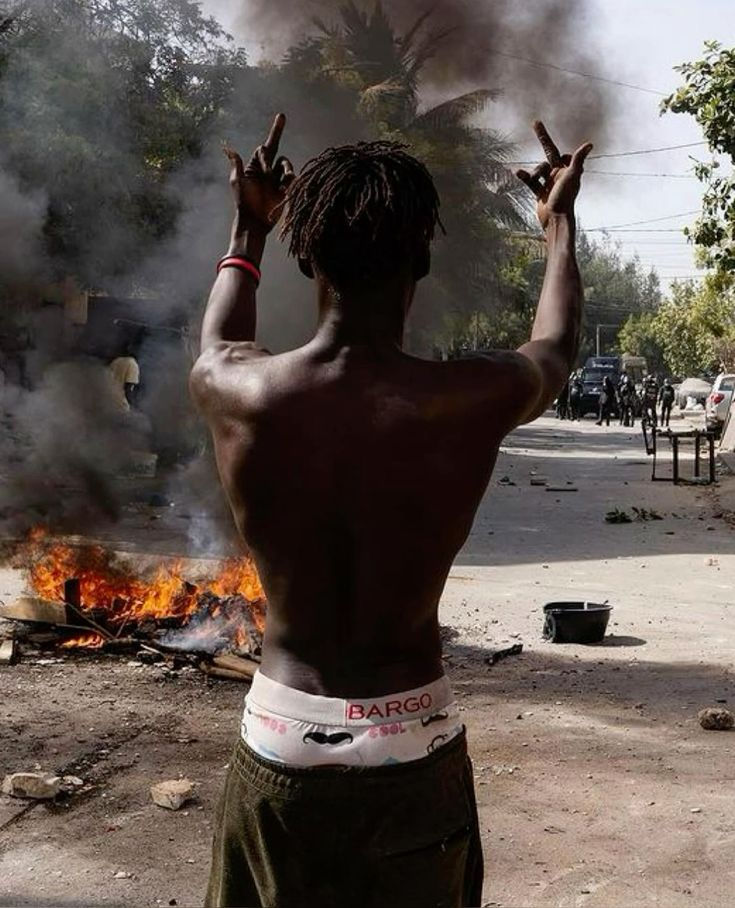
We’re currently living through a quiet unraveling. Government shutdowns. Credit tightening. Rising costs paired with shrinking trust.
These moments are framed as temporary disruptions, yet they keep repeating. Which tells us something critical. The systems many of us were taught to rely on were built for control, compliance, and extraction; not long-term care. The obvious question is what do we build instead?
CREDIT + TAXES ARE BEHAVIORIAL SYSTEMS
Credit scores measure proximity to stability, inherited access, and polished timelines. They reward predictability and punish survival. Taxes function similarly. Wage earners pay first. Asset holders defer, shelter, and optimize. Complexity itself becomes a border.
Clearly, this isn’t accidental. It’s administrative design. When people internalize these systems as moral indicators, pressure eclipses choice. Burnout replaces creativity. Fear replaces strategy.
SUSTAINABILITY BEGINS WHEN WE STOP MISTAKING “ACCESS” FOR SAFETY
Sustainable builders are shifting their focus The shift already happening is subtle yet powerful. Local networks over centralized dependence. Cash flow over credentials. Ownership over employment. Access to land and shelter as strategy. Trust-based relationships over algorithmic platforms.
People are rediscovering something ancient. Resilience lives close to home. It lives in skills, relationships, and shared infrastructure.
Money still matters. It simply stops being the centerfold.
THE FUTURE OF MONEY
Money is becoming modular. One income stream, one currency, one employer no longer holds. People are building diversified, portable economies.
Money is becoming values-coded. Spending no longer precedes ethics, alignment, and care. This shows up most clearly with Gen Z and will soon become the standard.
Money is becoming secondary to sovereignty. The real wealth is low overhead, adaptable income, and calm nervous systems.
The future belongs to those who circulate capital wisely. Not to those who hoard it.
HOLDING STRUCTURES AND TRUSTS MATTER NOW MORE THAN EVER
Influence without infrastructure dissolves. Vision without protection gets deserted. This is where House of Wolf enters as more than a brand.
A holding and trust structure turns creativity into continuity. It separates the work from the individual nervous system. It protects intellectual property, systems, archives, land-use rights, and community assets from fragmentation or dilution.
A trust allows values to become law. Ethics stop being aspirational and start being enforceable. Legacy wealth shifts meaning here. It stops being about accumulation and becomes about stewardship. What survives you. What keeps feeding people. What stays coherent when leadership evolves.
This is not new. Guilds, mutual societies, monasteries, and land trusts carried culture forward for centuries. We are reviving durable architecture with modern ethics.
SUSTAINABILITY WITHOUT CREDIT DEPENDENCE
Trust-held assets move differently. They rely on pooled capital, revenue share, grants, patronage, and long-term agreements. Power moves from individual debt to collective capacity. This is quieter. Slower. Stronger. It creates lives designed around creativity, rest, and contribution rather than constant financial defense.
This moment is asking builders to think beyond income and toward infrastructure. Beyond personal success and toward shared longevity.
House of Wolf exists to hold work that wants to outlive trends. To steward culture without extracting it. To build economic systems that feel humane, grounded, and resilient. The future is already here. The question is whether we design for it consciously or inherit it by default.

Comments